How Window Tint Heat Rejection Protects Your Vehicle (and You)
A vehicle’s interior can heat up rapidly under direct sunlight, creating discomfort for passengers and increasing strain on its components. Prolonged exposure to high cabin temperatures can cause dashboard cracking, upholstery fading, and even electrical component stress. Window tint heat rejection plays a vital role in maintaining a cooler, more comfortable cabin environment. Understanding how this technology works helps drivers make better decisions when upgrading their vehicles.
Advanced automotive window films are engineered to filter out a substantial portion of the sun’s infrared radiation. Infrared light is a primary contributor to heat buildup inside a car, even when visible light levels seem moderate. Quality tint solutions reduce the amount of heat energy entering through the glass, helping preserve the condition of the vehicle’s interior. Drivers benefit from both improved comfort and enhanced protection against long-term damage caused by excessive heat.
How Window Tint Heat Rejection Works
Window tint heat rejection relies on advanced film technology designed to block or reflect solar infrared energy. These films are layered with microscopic ceramic, carbon, or metal particles that target specific wavelengths of sunlight. The materials in the film absorb or reflect this energy, preventing it from penetrating the glass and entering the cabin. This process significantly reduces the total heat load inside the vehicle.
High-quality films are designed to block heat without overly darkening the glass, which maintains visibility and compliance with local laws. Ceramic tints, for example, can reject a large percentage of infrared heat while allowing ample visible light to pass through. This balance ensures a cooler cabin without compromising driving safety or exterior aesthetics. The precision of this technology makes it ideal for drivers who want performance and appearance combined.
The science behind infrared heat rejection involves selectively filtering wavelengths between approximately 780 and 2500 nanometers. These wavelengths carry the majority of thermal energy from the sun. Reducing infrared penetration directly lowers interior surface temperatures, making a noticeable difference even in peak summer heat. Drivers often find that a quality tint allows them to rely less on air conditioning during hot days.
An added benefit of effective heat rejection is the protection it provides for sensitive interior electronics. Heat buildup accelerates wear in infotainment systems, dashboard displays, and onboard navigation equipment. By minimizing the temperature inside the vehicle, window tint helps extend the lifespan of these valuable components. The result is greater reliability and lower maintenance costs over time.
The Comfort Advantages of Window Tint Heat Rejection
Stepping into a parked car on a hot day can feel like opening an oven door. Interior temperatures can soar well above outside air levels, even after just 15 minutes of direct sun exposure. Window tint heat rejection dramatically reduces this rapid heat accumulation, making it far more comfortable to enter and drive. Lower initial cabin temperatures mean a faster cooldown once the air conditioning is turned on.
A cooler cabin environment translates into a more enjoyable driving experience, especially for those who spend significant time on the road. Long commutes or extended trips become more pleasant when the driver and passengers are not battling oppressive heat. Reduced glare also enhances comfort, allowing occupants to relax without squinting against intense sunlight. Comfort is not just a luxury but an essential part of maintaining driver alertness.
Children and pets are particularly vulnerable to heat-related stress in vehicles. Reducing interior heat levels through effective tinting makes travel safer for all passengers. Even with responsible practices such as never leaving a child or pet unattended, lowering baseline cabin temperatures provides an important safety buffer. Window tint acts as an additional layer of heat defense in unpredictable situations.
Comfort improvements also extend to climate control efficiency. With less heat entering the cabin, the air conditioning system does not need to work as hard to maintain a set temperature. This reduced workload can lead to energy savings, improved fuel efficiency, and less mechanical wear on HVAC components. Over time, such improvements contribute to lower operational costs for the vehicle owner.
Protecting Your Vehicle Interior with Heat Rejection
Automotive interiors are constantly exposed to sunlight, which can cause materials to fade, crack, or warp. Window tint heat rejection significantly slows this process by reducing the thermal and UV stress on interior surfaces. Leather seats retain their suppleness longer, fabrics resist fading, and plastics avoid premature brittleness. The result is a cabin that maintains its appearance and value for years.
Ultraviolet (UV) light, while less responsible for heat than infrared, still plays a major role in material degradation. Many advanced heat-rejecting films also block up to 99% of harmful UV rays. This dual action of UV and heat reduction maximizes protection for every part of the interior. Drivers who invest in this upgrade often notice their vehicles looking newer for longer periods.
Dashboard and steering wheel materials are especially susceptible to heat-related damage. Repeated cycles of expansion and contraction from temperature changes can lead to cracking or peeling. Window tint that rejects heat minimizes these fluctuations, reducing stress on materials and extending their lifespan. Such protection helps maintain a professional and cared-for appearance inside the car.
Protecting the interior goes beyond appearance; it preserves resale value as well. A cooler, well-maintained cabin is far more appealing to potential buyers. Prospective owners appreciate seeing a vehicle that has clearly been protected from excessive sun damage. This level of care can make the difference in securing a favorable sale price.
Health Benefits of Window Tint Heat Rejection
Heat is not the only concern when it comes to prolonged sun exposure inside a vehicle. Ultraviolet radiation poses serious health risks, including skin aging and increased cancer risk. Films designed for window tint heat rejection often provide excellent UV protection as well, creating a safer driving environment. This protection benefits drivers and passengers alike, especially those who spend long hours behind the wheel.
Long-term exposure to infrared heat can also cause discomfort and fatigue. Elevated temperatures lead to dehydration, reduced concentration, and increased irritability. By lowering cabin temperatures, heat-rejecting window tint reduces these risks and promotes a healthier driving experience. Such benefits are especially valuable for professional drivers and those living in hotter climates.

Some medical conditions require patients to avoid excessive UV exposure. Heat-rejecting tints offer an extra layer of protection for those with heightened sensitivity to sunlight. Such drivers gain both medical peace of mind and comfort during their travels. Families often find reassurance in knowing that every passenger is shielded from the sun’s most harmful effects.
The health advantages of reducing interior heat also extend to reducing the reliance on air conditioning. Less AC use means reduced exposure to recirculated air, which can contain dust or allergens. Cleaner, more temperate air contributes to overall well-being for those spending time in the vehicle. Every trip becomes safer and more comfortable for everyone inside.
Choosing the Right Window Tint for Maximum Heat Rejection
Selecting an effective tint involves evaluating both the film’s technical specifications and its legal compliance in your region. Different tint materials—such as dyed, metallic, carbon, or ceramic—offer varying levels of performance. For superior window tint heat rejection, ceramic films are often the top choice due to their high infrared filtering capabilities. Drivers should balance heat rejection efficiency with desired aesthetics and visibility.
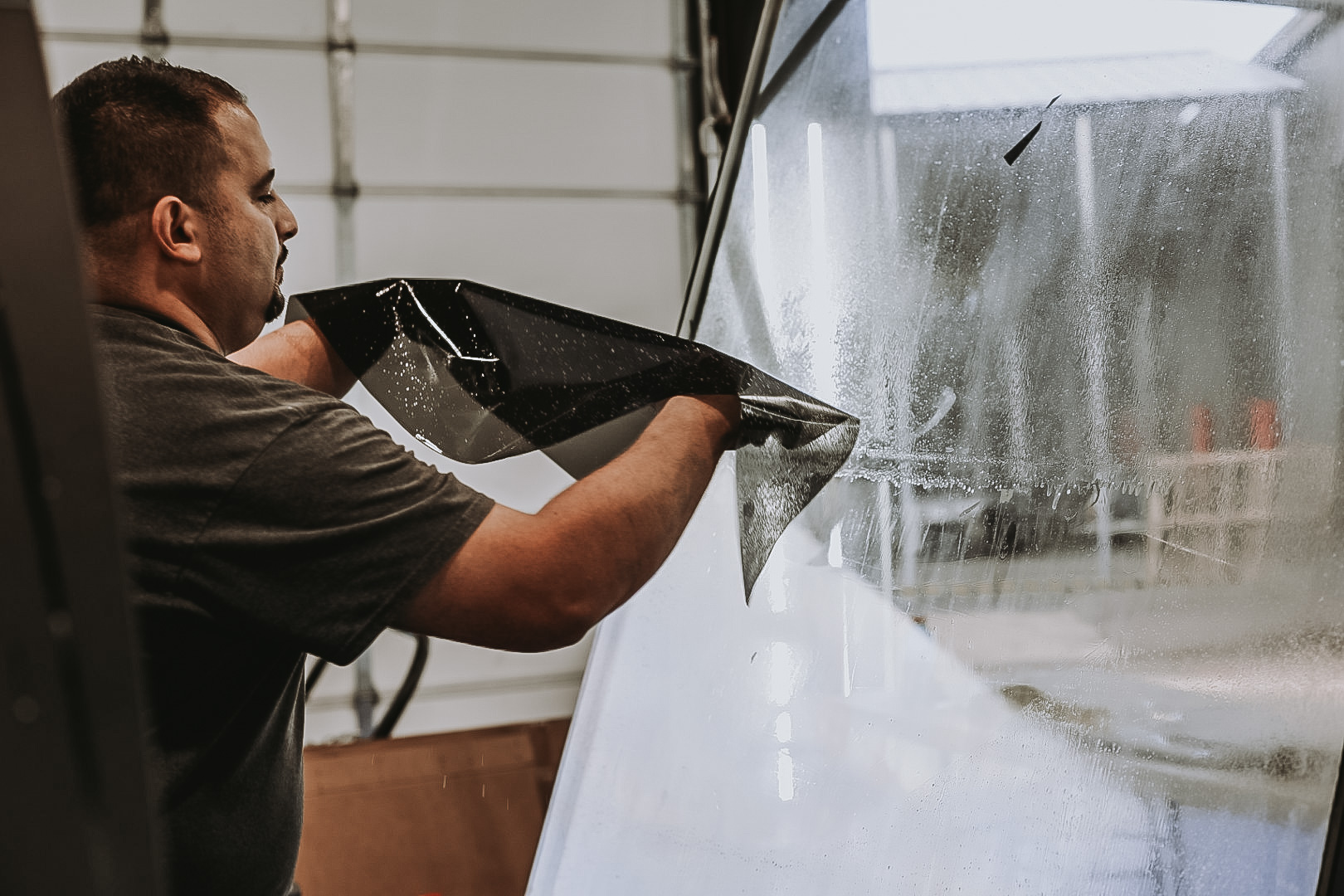
A professional installation ensures the film performs to its full potential. Poorly applied tints can leave gaps, bubbles, or uneven coverage that compromise performance. Certified installers use precision tools and techniques to ensure a flawless finish. The skill of the installer plays as important a role as the quality of the film itself.
Local tint laws vary, often specifying limits on visible light transmission (VLT) for different windows. Ensuring compliance prevents costly fines and the inconvenience of having to remove non-compliant tint. A knowledgeable installer can recommend legal options that still provide substantial heat rejection. Drivers benefit from both comfort and peace of mind knowing they meet regulations.
Investing in quality film and expert installation often results in long-term cost savings. Superior heat rejection reduces the strain on interior components, lowers cooling demands, and preserves the vehicle’s value. While the upfront expense may be higher, the long-term benefits far outweigh the initial cost. Vehicle owners who make informed choices enjoy both performance and protection for years to come.
Protect Your Comfort and Your Vehicle with Window Tint Heat Rejection
Upgrading your vehicle with effective window tint heat rejection provides comfort, protection, and long-term value. The technology reduces cabin temperatures, shields interior surfaces from damage, and safeguards occupants’ health from harmful radiation. Professional installation ensures you get the full benefit of your investment while complying with legal requirements.
Experience the advantages of a cooler, better-protected ride with expert tinting services from Z-Tech. Contact our team today to schedule your free estimate and discover how we can enhance your driving experience.