

How Do Vehicle Air Bags and Load Support Systems Improve Your Ride?
Vehicle air bags are essential upgrades for truck, SUV, and Jeep owners seeking better ride quality and reliable load management. They work with your suspension to absorb bumps, reduce sway, and maintain stability under heavy cargo. Installing air bags improves comfort while protecting suspension components from premature wear.
These systems also benefit towing and hauling, distributing weight evenly across the chassis. Drivers notice smoother handling on highways and rough terrain, reducing fatigue and increasing safety. Understanding how these systems function helps owners make informed choices for daily driving and adventure trips.
Why Adding Air Bags and Load Support Makes Your Vehicle Ride Smoother
Vehicle air bags enhance ride quality by supporting suspension and maintaining level height under heavy loads. They reduce sway, minimize sag, and protect critical components from wear. This ensures vehicles remain stable, comfortable, and safe whether carrying cargo or towing.
How Do Vehicle Air Bags Actually Work?
Vehicle air bags use flexible air chambers installed between the suspension and frame for adjustable support. When carrying extra weight, the air bag inflates to maintain level ride height. This prevents sagging and reduces strain on shocks and springs.
Air bags respond dynamically to load changes, offering consistent performance whether the vehicle is empty or full. Drivers experience less bounce and sway, improving control on highways and off-road trails. Installing air bags before a long trip is smart for reducing stress on suspension components, especially for summer road trips.

Air bags allow drivers to fine-tune stiffness for towing or off-road driving. Many kits include simple inflation controls accessible from inside the cabin. This ensures ride comfort without compromising performance.
Some systems integrate seamlessly with stock suspension, keeping factory characteristics while enhancing support. They operate quietly and require minimal adjustments. Understanding mechanics builds confidence in reliability and functionality.
What Is Load Support and Why Does It Matter?
Load support spreads weight evenly across suspension, improving stability during heavy hauling. Without it, trucks and SUVs carrying cargo can sag, sway, and handle unevenly. Vehicle air bags counter these effects, keeping vehicles balanced and comfortable on any terrain.
Proper support reduces wear on shocks, struts, and springs, avoiding costly repairs. Tires maintain better contact with the road, improving traction, braking, and vehicle safety. Drivers experience more predictable steering, especially when towing or carrying roof-mounted cargo.
Load support is essential for vehicles transporting heavy loads, campers, or off-road gear. It ensures weight shifts do not compromise comfort, control, or suspension performance. Many vehicle air bags now include sensors, preventing common car electronics issues and reducing guesswork.
Uneven weight can prematurely damage suspension components and reduce overall lifespan. Vehicle air bags provide proactive support while maintaining consistent ride height. Benefits extend beyond performance, enhancing comfort, longevity, and long-term vehicle value.
How Does Performance Change Under Different Loads?
Air bag systems adjust performance based on load, keeping stability with light or heavy cargo. Light loads receive subtle support for comfort without stiffness. Fully loaded trucks gain firmer resistance, preventing bottoming out and sway.
Air bags improve braking stability under heavy loads by maintaining suspension geometry. Tires maintain contact, reducing stopping distance and improving handling. Towing or hauling drivers notice increased safety and control.
Even unevenly distributed weight is less problematic with air bag support. Chambers adjust independently to compensate for pressure differences. Vehicles feel more responsive and secure under varying conditions.
Advanced systems allow precise inflation, letting drivers adjust performance for cargo, terrain, and style. Innovations in monitoring and control reflect the future of vehicle electronics. Ride quality remains consistent, enhancing versatility and reducing wear on suspension.
When Should You Consider Upgrading Vehicle Air Bags?
Signs like sagging, uneven ride height, or excessive sway indicate it may be time to upgrade your vehicle air bags. Addressing these issues early helps prevent damage to shocks, springs, and other suspension components. Upgrades improve safety and maintain consistent ride quality for any load.
Consider these scenarios when evaluating an upgrade:
Your vehicle frequently tows trailers or carries heavy loads, causing suspension stress.
Off-road use exposes your suspension to rough trails or uneven terrain.
Older trucks or SUVs may struggle with modern towing and hauling requirements.
Even occasional heavy cargo in daily driving can gradually wear down suspension.
You want to improve overall stability, comfort, and protection for long-term vehicle value.
Upgrading vehicle air bags in these situations helps maintain performance and ride comfort. Properly selected systems enhance safety, durability, and confidence on every drive.
Maintaining Your Vehicle Air Bags for Long Life
Regular maintenance keeps vehicle air bags functioning reliably and prevents unexpected failures. Inspecting fittings, connections, and pressure ensures consistent performance over time. Proper care prolongs the lifespan of suspension components while enhancing ride quality.
Follow these key steps to maintain your vehicle air bags effectively:
Inspect air bags, hoses, and connections every few months for leaks or wear.
Clean and protect bags and surrounding suspension with approved products only.
Adjust inflation based on seasonal changes and load requirements for optimal performance.
Avoid harsh chemicals, abrasive materials, or excessive pressure during maintenance.
Schedule professional inspections periodically to detect hidden issues before they become serious.
Consistent care ensures your suspension remains safe and reliable throughout its lifespan. Proper maintenance enhances stability, comfort, and overall performance on every drive.
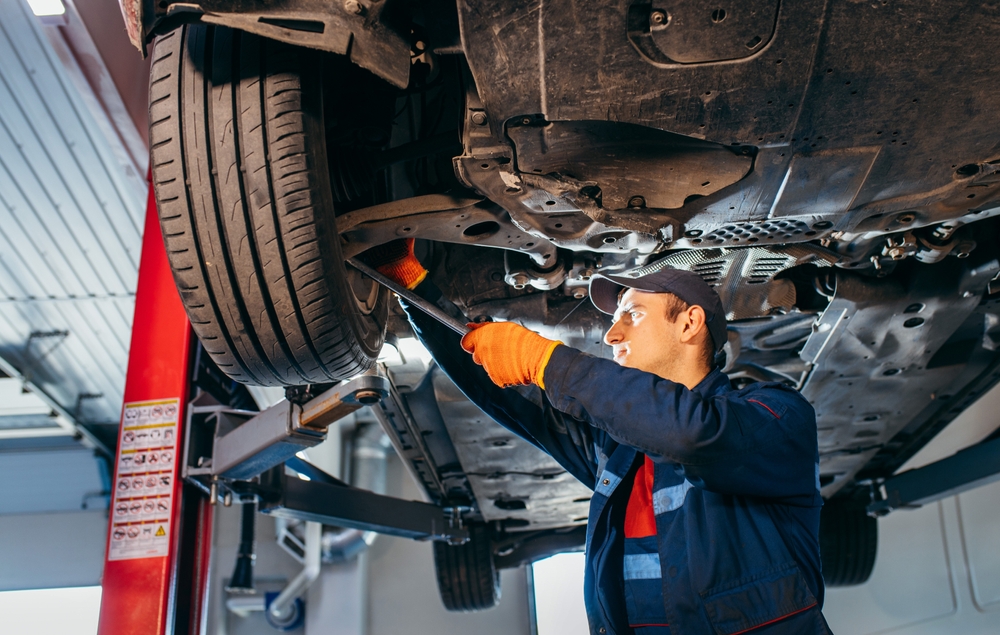
Air Bags vs Other Suspension Upgrades
Air bags provide unique advantages compared to lift kits or heavy-duty shocks. Lift kits improve ground clearance but do not adjust ride height under varying loads. Vehicle air bags maintain comfort and balance regardless of cargo.
Shocks absorb bumps but cannot prevent sag or sway from weight. Air bag systems support weight directly, preserving chassis geometry and handling. Towing or hauling drivers find air bags more effective for long-term protection.
Combining air bags with other suspension upgrades enhances performance and durability. Shocks and springs work with air chambers for smoother rides. This ensures optimal handling and longevity.
For vehicles used in commuting and heavy-duty tasks, air bags offer versatility. Adjustability allows comfort customization for towing or off-road excursions. Drivers gain stability and adaptability without compromise.
Enhance Ride Comfort and Protect Your Suspension
Vehicle air bags ensure smoother rides, better load management, and extended suspension life for trucks, SUVs, and Jeeps. Drivers experience reduced sway, consistent handling, and protection from premature wear under heavy cargo. Properly maintained systems improve safety and comfort on every journey.
Professional installation and maintenance maximize performance and longevity. Guidance helps determine the right setup for your driving needs, balancing comfort and support. Contact Ztech to explore air bag solutions that improve ride quality, protect suspension components, and enhance daily driving enjoyment.