Remote Start Myths vs. Facts: What Drivers Really Need to Know
Remote start systems spark strong opinions, especially once cold weather sets in. Some drivers believe they damage engines or create unnecessary strain during winter mornings. Others assume the technology drains batteries or interferes with factory electronics.
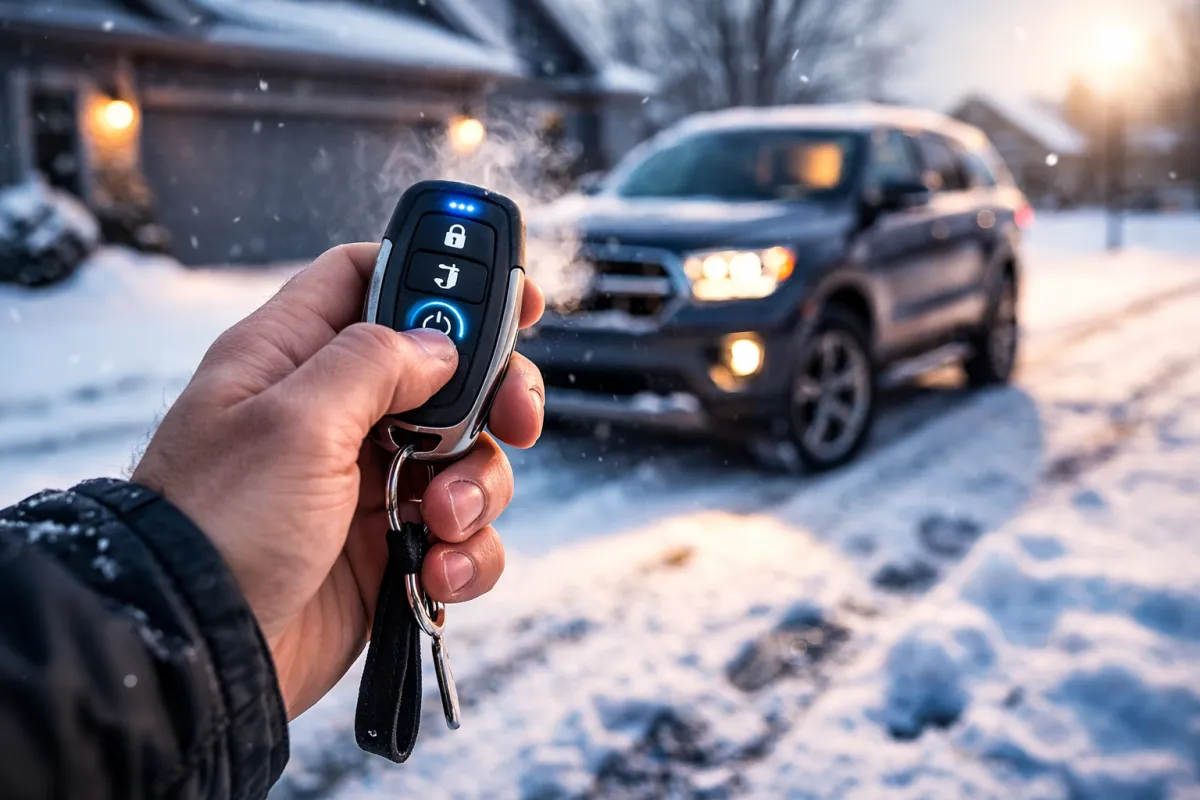
Drivers in Terre Haute face freezing starts, icy windshields, and uncomfortable cabins throughout winter. Remote start technology exists to make those moments easier, not more complicated. Understanding what is true and what is an outdated myth helps you make a smarter upgrade decision.
Is Remote Start Bad for Your Engine?
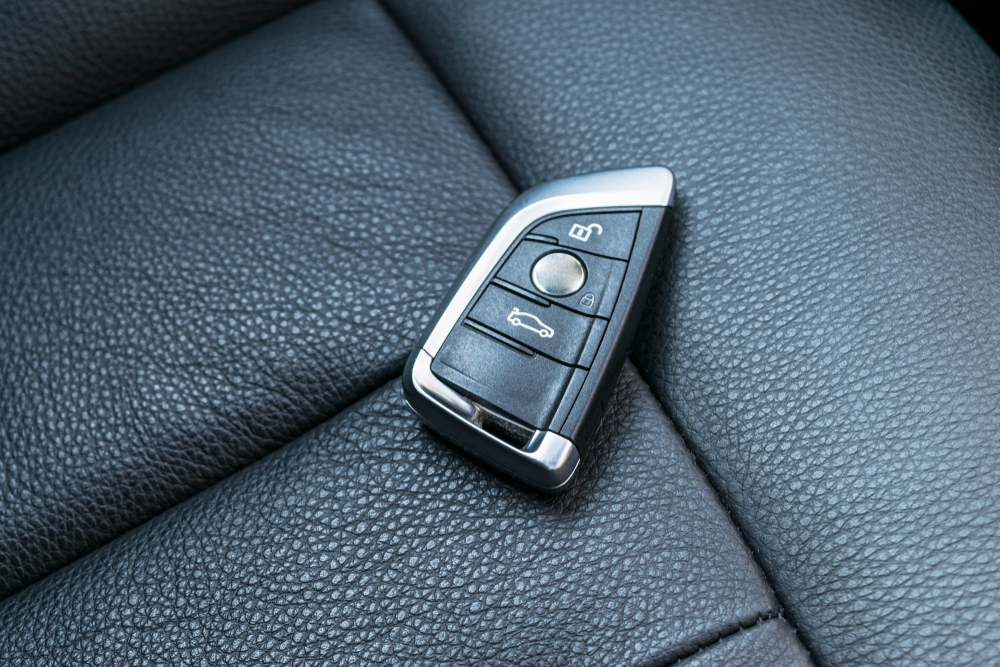
Remote start is not harmful to your engine when properly installed and used as intended. Modern vehicles are designed to handle normal idle cycles, and remote start simply begins that process before you enter the vehicle. Most concerns come from outdated assumptions rather than how current ignition and fuel systems actually operate.
Practical Benefits of Remote Start Systems
Cold mornings feel harsher when your vehicle sits overnight in freezing temperatures. Remote start systems allow your engine and climate controls to begin adjusting before you get inside.
Many drivers see remote start as a convenience feature, but it also supports a smoother winter routine. Giving your vehicle time to idle briefly can make early commutes feel less rushed and more controlled.
Cabin Comfort Before Entry - Remote start allows your heating system to begin warming the interior before you open the door.
Improved Cold-Start Experience - Remote start gives engine fluids time to circulate before you apply throttle.
Defrost Head Start - Remote start activates climate settings so frost and ice begin loosening earlier.
Daily Convenience - Remote start lets you begin the ignition process while finishing your routine indoors.
Better Winter Readiness - Remote start supports a more gradual transition from overnight freeze to active driving.
Winter driving always requires preparation, especially during colder months in Terre Haute. Remote start simply adds control and comfort to a routine that already demands both.
Myth 1: Remote Start Damages Your Engine
Many drivers still believe remote start harms engine components during cold mornings. Concerns usually center around extended idling and the idea that engines should warm only while driving. Older advice about carbureted systems often fuels that assumption, even though modern vehicles operate differently.
Cold starts feel rough, which makes the myth sound believable at first glance. Remote start often gets blamed simply because it activates the engine before you enter the vehicle.
The Facts:
Modern engines use fuel injection systems that automatically adjust air and fuel ratios during startup. Remote start does not introduce unusual strain beyond what a normal ignition cycle already creates. Brief warm-up periods can allow oil to circulate before you apply throttle under load.
Engine wear relates more to aggressive driving while cold than to controlled idle time. Remote start simply begins the same startup process you would trigger with your key or push-button ignition.
Myth 2: Remote Starts Drain Your Battery
Some drivers believe remote starts quickly wear down your battery during winter use. The concern usually comes from the idea that starting your engine remotely adds extra electrical demand. Cold temperatures already stress batteries, which makes the myth feel reasonable at first.
People often assume every remote ignition cycle doubles the strain on the system. Remote starters get blamed without considering how vehicle charging systems actually function.
The Facts:
Modern vehicles recharge the battery through the alternator as soon as the engine runs. Remote starts operate within the same electrical process as a standard ignition sequence. Properly installed systems are designed to communicate with factory electronics without overloading them.
Battery health depends more on age, condition, and extreme cold exposure than on remote ignition. Remote starts do not create additional drain beyond what occurs during any normal startup cycle.
Myth 3: Remote Start Wastes Fuel
Some drivers assume remote start burns excessive fuel during winter mornings. The argument usually centers on the idea that idling equals unnecessary consumption. Rising fuel prices make that concern sound practical and responsible.
Short idle periods often get grouped with long, inefficient warm-ups from decades ago. Remote start systems are sometimes judged based on outdated driving habits rather than current technology.
The Facts:
Modern engines adjust fuel delivery automatically and operate more efficiently than older carbureted models. Remote start typically runs for a limited preset time before shutting off automatically. Controlled warm-up periods are far shorter than extended idling many drivers practiced in the past.
Fuel use during a brief remote start cycle is modest compared to aggressive driving while cold. Remote start supports smoother operation before you apply throttle under load.
Myth 4: Remote Starts Void Your Vehicle Warranty
Some drivers worry that installing remote starters automatically cancels factory warranty coverage. Dealership service advisors sometimes create confusion by warning against aftermarket electronics. Stories about denied warranty claims make the risk feel immediate and expensive.
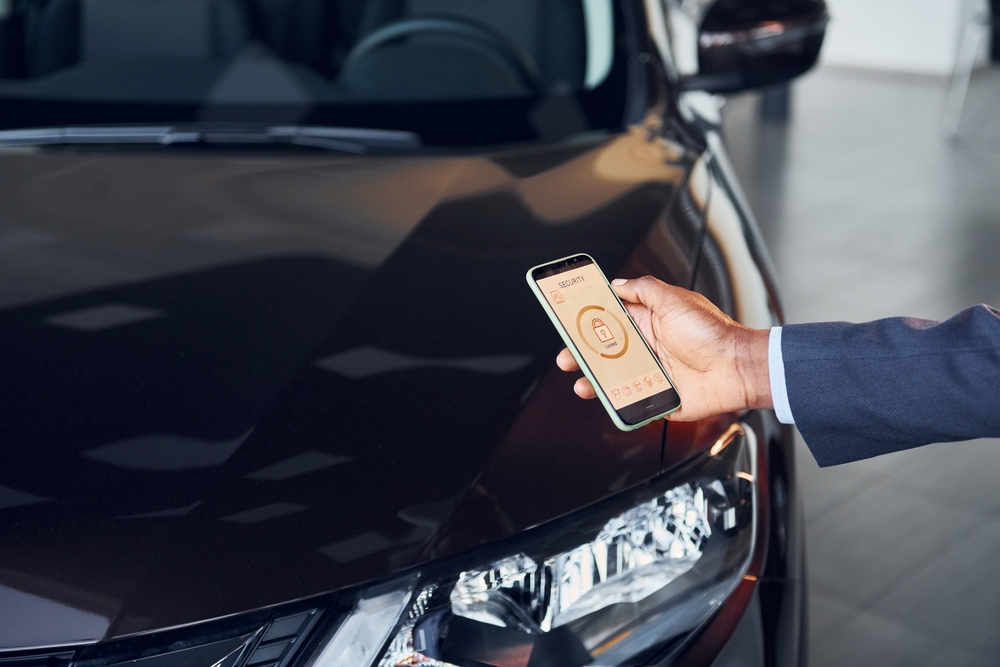
Modern vehicles rely heavily on integrated electronics, which increases hesitation around modifications. Remote starts often get lumped into the same category as poorly installed aftermarket systems.
The Facts:
Federal law prevents manufacturers from voiding an entire warranty simply because an aftermarket product is installed. Warranty issues only apply if a specific component fails due to improper installation or direct interference. Professional installation reduces that risk by ensuring correct integration with factory systems.
Remote starts installed correctly function within the vehicle’s existing electronic architecture. Warranty protection remains intact when the system does not cause the failure in question.
Myth 5: Remote Start Is Only Useful In Winter
Many drivers think remote start only matters when temperatures fall below freezing. The feature often gets marketed around snow, ice, and harsh winter mornings. That seasonal focus makes it seem unnecessary once spring arrives.
Comfort upgrades sometimes get dismissed as luxury items instead of practical tools. Remote start can appear limited if you only associate it with cold weather.
The Facts:
Remote start also allows you to cool your cabin during hot and humid summer conditions. Starting your vehicle early gives air conditioning time to reduce interior heat before you enter. Midwest temperature swings make year-round climate control more useful than many drivers expect.
Remote start supports comfort in both extreme cold and intense heat. Versatility makes it a practical feature beyond a single season.
Make A Smart Upgrade With The Right Information
Misinformation spreads quickly, especially when automotive technology evolves faster than common advice. Remote start systems are often judged on outdated assumptions rather than how modern vehicles actually operate. Understanding the difference between myths and facts helps you make decisions based on performance, not rumor.
Drivers in Terre Haute want upgrades that improve daily comfort without creating unnecessary risk. If you are considering remote start and want it installed correctly the first time, talk with Ztech Audio+. Reach out today to explore options that fit your vehicle, your routine, and the kind of Midwest weather you face every year.