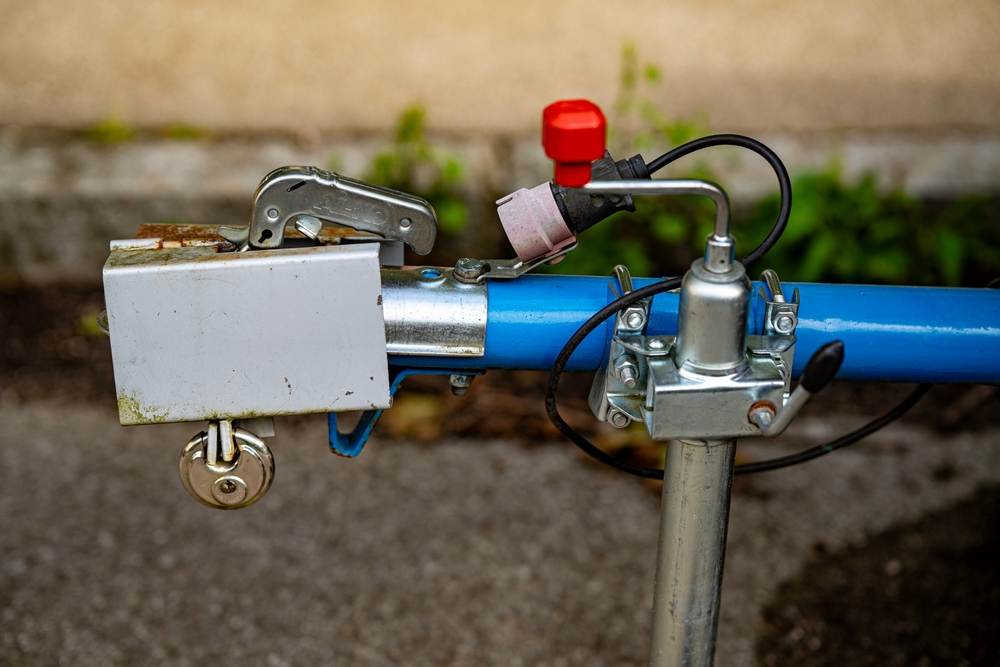
Do You Need Wiring for Your Hitch? Here’s How to Know
Proper hitch wiring ensures that your trailer and vehicle operate safely together. It powers trailer lights, turn signals, and electric brakes when needed, allowing smooth operation. Without correct wiring, you risk safety issues and potential legal complications.
Understanding your vehicle, trailer, and hitch setup is essential before towing. Some trailers have advanced systems requiring precise wiring, while others need only basic connections. Planning ahead prevents costly repairs and unsafe towing experiences.
Do I Actually Need Hitch Wiring?
If your trailer has any lights, turn signals, or electric brakes, the answer is yes. Hitch wiring ensures these systems operate safely and legally while towing. Without proper wiring, trailers can fail to brake correctly or signal intentions, creating dangerous situations.
How to Determine if Your Trailer Needs Wiring
If your trailer has lights or braking systems, it will require hitch wiring. Tail lights and turn signals must connect to your vehicle for legal operation. Heavier trailers often use electric brakes, which demand more advanced wiring setups.
Checking your vehicle manual alongside trailer specifications clarifies requirements. Improper wiring can cause brake or light failures and increase accident risk. Confirming compatibility is critical before each towing trip.

Additional trailer features, like auxiliary or marker lights, require proper connectors. Each wiring circuit must match the trailer’s design for reliable operation. Proper planning avoids electrical faults and unnecessary downtime.
Routine inspection of connectors, fuses, and wiring integrity ensures safety. Even minor corrosion or loose wires can create problems. Staying proactive keeps your trailer ready for the road.
Understanding Trailer Lights and Signals
Hitch wiring ensures trailer lights mirror your vehicle’s signals, keeping you visible and communicating effectively. Proper connections for tail lights, brake lights, and turn signals are essential for safety and legal compliance. Without reliable wiring, you risk accidents and roadside hazards.
Several types of trailer lights require attention during wiring setup. These components must function flawlessly for safe towing. Key points to consider include:
Tail lights – Essential for braking signals and nighttime visibility.
Brake lights – Linked directly to vehicle braking for immediate response.
Turn signals – Indicate lane changes and directional intentions clearly.
Marker and clearance lights – Highlight trailer width in poor lighting.
Auxiliary or cargo lights – Optional lights enhance visibility and safety.
Proper inspection and maintenance prevent unexpected failures. Ensuring each component functions correctly is crucial for hitch wiring performance. Learn more about same-day vehicle customization to enhance towing setup.
Electric Brakes and the Need for Specialized Wiring
Trailers with electric brakes rely on dedicated hitch wiring to function safely. Brake controllers communicate braking force from the vehicle to the trailer. Without correct wiring, trailers may fail to slow properly, increasing risk.
Electric brake wiring typically runs separately from lighting circuits. Correct connectors and fuses are essential for reliable performance. Neglecting these systems can compromise control, especially when hauling heavier loads.
Routine testing verifies brake function. Practicing braking in a safe environment confirms that the trailer responds as intended. This prevents dangerous situations during everyday driving.
Professional installation ensures the brake system integrates with your vehicle. Certified technicians adjust wiring for proper amperage and connection type. Proper setup protects both tow vehicle and trailer components.
Vehicle Type and Hitch Influence on Wiring
Different vehicles and hitch types change wiring requirements. Trucks, SUVs, and Jeeps may have factory towing packages, while older vehicles often need aftermarket solutions. Hitch class dictates wiring amperage and connectors needed.
Pre-wired hitches simplify installation, while custom setups require planning. Matching vehicle output to trailer demands ensures safety and prevents electrical issues. Professional installers guide owners to compatible wiring harnesses.
Incorrect wiring can interfere with vehicle electronics or cause shorts. Proper integration protects onboard systems and maintains manufacturer warranties. It also prevents future troubleshooting issues while towing.
Aftermarket modifications, including lift kits or upgraded lighting, may require hitch wiring adjustments. Planning ensures these additions do not interfere with trailer connections. Professional oversight guarantees all systems function correctly.
What Are the Risks of Faulty Hitch Wiring?
Faulty hitch wiring can create serious hazards for drivers, passengers, and surrounding traffic. Electrical issues may prevent trailer lights from operating or compromise electric brake function. Even minor wiring problems can escalate into costly repairs or legal consequences.

Understanding consequences of poor wiring helps prioritize inspections and professional installation. Key risks associated with faulty connections include:
Non-functioning lights – Tail, brake, and turn signals may fail unexpectedly.
Brake failures – Electric brakes may not engage properly under load.
Legal fines or citations – Non-compliance with lighting laws can result in penalties.
Electrical shorts – Can damage both trailer and tow vehicle electronics.
Increased accident risk – Reduced visibility and braking issues endanger all road users.
Regular checks and maintenance mitigate these hazards effectively. Maintaining proper hitch wiring ensures both safety and compliance on every trip.
Ensuring Compliance Through Professional Installation
Professional installation guarantees hitch wiring meets manufacturer specifications and local regulations. Technicians secure connectors, prevent corrosion, and integrate circuits with vehicle electronics. Correct installation ensures lights, signals, and brakes operate without issue.
Technicians assess trailer compatibility and adjust wiring for multi-function or heavy-duty setups. Following industry best practices ensures safety and long-term reliability. Professional work reduces roadside failure risk.
Post-installation testing confirms every circuit functions properly. Maintenance guidance helps owners sustain wiring integrity. Certified setups minimize downtime and enhance confidence while towing.
Expert installers also account for aftermarket modifications like lift kits or additional lighting. Planning prevents interference between vehicle and trailer electronics. This attention to detail guarantees reliable performance on every trip.
Safe and Compliant Towing Starts With Proper Hitch Wiring
Correct hitch wiring is essential for safe and legal towing, powering all trailer functions and preventing accidents. Proper installation enhances safety and confidence on the road. Drivers who rely on professional services ensure consistent performance every time they tow.
Ztech offers certified installation of complete hitch wiring systems for trucks, Jeeps, and SUVs. Their team secures connections, tests all circuits, and provides maintenance guidance for long-term reliability. Contact Ztech to make sure your trailer is fully equipped, safe, and ready for the road.