
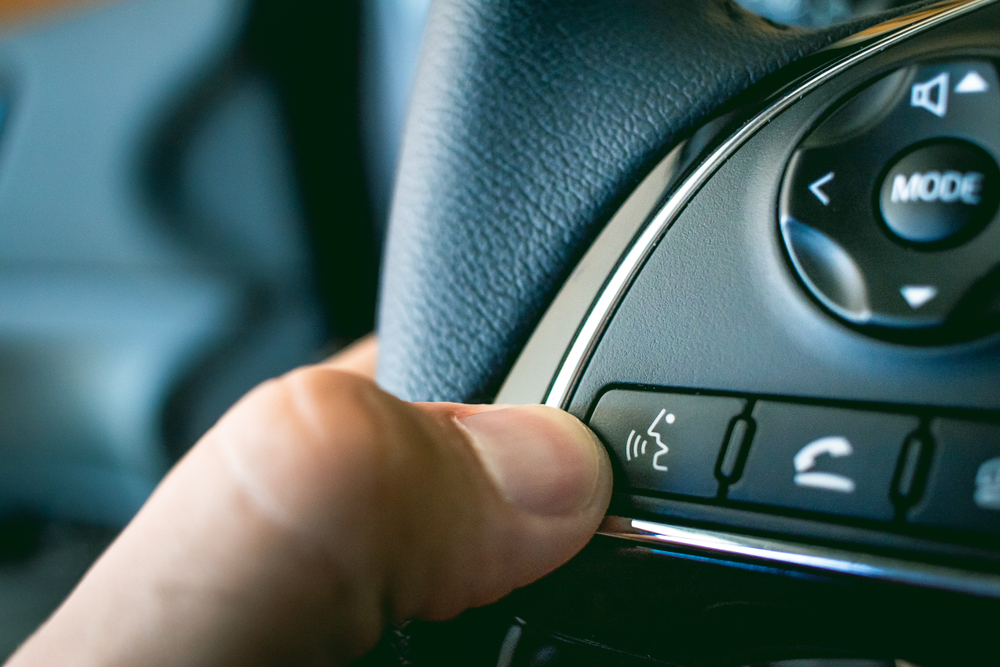
How Can You Incorporate Voice Control & AI Assistants in Your Car System?
Modern vehicles are becoming smarter, and drivers can now manage navigation, media, and communication without taking their hands off the wheel. By integrating car voice control, drivers can operate key systems safely while keeping focus on the road. This technology enhances convenience and reduces distractions for a smoother driving experience.
AI assistants take functionality to the next level, providing predictive suggestions, contextual insights, and automated task management. They can handle calls, messages, and even vehicle system updates efficiently. Together, voice control and AI make driving safer, more efficient, and more enjoyable.
How Do You Integrate Voice Control and AI Assistants in Your Car?
Integrating voice control and AI assistants starts with selecting a system compatible with your vehicle’s infotainment. Once installed, drivers can enjoy car voice control to operate navigation, media, and communication hands-free, improving both safety and convenience. Regular calibration and software updates ensure the system responds accurately, enhancing every driving experience.
What Exactly Is Car Voice Control and How Does It Work?
Car voice control uses microphones and software to interpret spoken commands, letting drivers manage navigation, entertainment, and communication without distraction. The system converts speech into actionable instructions almost instantly, providing a seamless, hands-free experience.
AI assistants expand functionality beyond basic commands, understanding natural language, providing suggestions, and automating repetitive tasks. Together, they create a responsive and intelligent driving environment.

Cloud-based processing further improves recognition accuracy, while real-time updates and AI learning make the system adaptive over time. Vehicles with continuous connectivity can take full advantage of these capabilities.
Aftermarket systems allow older vehicles to gain voice control and audio enhancements. High-performance setups can integrate with upgraded speakers and sound processing units, ensuring clear communication even at high speeds. Reliable options for enhancing both voice control and sound are available through remote audio solutions.
How Can AI Assistants Simplify Navigation and Communication?
AI assistants provide turn-by-turn directions while accounting for traffic, road closures, and driver habits. They also handle calls and messages hands-free, keeping drivers focused on the road. This reduces distractions while improving both convenience and safety.
Integration with calendars and reminders ensures schedules are managed efficiently. Drivers can use car voice control to set appointments or route alerts through simple voice commands. These features streamline trips and improve planning.
AI systems adapt to driving patterns, offering personalized route suggestions based on past behavior. Predictive navigation minimizes delays and stress during commutes or long drives. Customized recommendations enhance convenience and overall driving efficiency.
Voice-controlled media management enhances the driving experience further. AI assistants can select playlists, adjust volume, and switch sources seamlessly, and pairing with high-quality systems from the best audio brands can improve clarity and responsiveness.
Which Platforms Support Car Voice Control Systems?
Many vehicles now include car voice control through platforms such as Android Auto and Apple CarPlay, allowing drivers to manage navigation, messaging, and media seamlessly. These systems integrate smartphone apps directly with the vehicle interface for intuitive use. Drivers can rely on familiar ecosystems while keeping focus on the road.
Here are some key platforms and options to consider:
Android Auto provides standardized integration for navigation, communication, and media apps.
Apple CarPlay offers seamless access to iPhone features within compatible vehicles.
Aftermarket systems extend voice control to older cars, trucks, SUVs, and Jeeps.
Connectivity via Bluetooth, Wi-Fi, or cellular data affects system responsiveness and accuracy.
Regular software updates improve recognition algorithms and add new features.
Selecting the right platform and keeping software updated ensures smooth, accurate operation. Vehicles with stable connectivity process commands faster and deliver a more responsive experience. By choosing compatible systems and maintaining updates, drivers enjoy reliable and efficient voice control functionality.
What Should You Consider When Installing Voice Control in Your Vehicle?
Installation starts with evaluating the existing infotainment system. Professionals can integrate microphones, processors, and speakers without interfering with factory electronics. Proper planning prevents issues like audio feedback or signal interference.
Microphone placement is crucial for accurate recognition. Correct positioning ensures commands are understood even in noisy conditions. Poor placement can result in delays or misinterpretation of voice commands.
Power requirements and connectivity must also be considered. Some systems draw power from the vehicle battery, while others require auxiliary connections. Understanding these specifications prevents malfunctions and preserves system reliability.
Calibration and testing after installation ensure optimal performance. Adjusting microphone sensitivity and speaker levels optimizes car voice control, creating a system tailored to the driver’s voice and environment. This step maximizes both convenience and accuracy.
How Can You Maximize Hands-Free Functionality?
Consistently using voice commands reduces reliance on dashboard controls and helps drivers become comfortable relying on car voice control. Setting up shortcuts for navigation, calls, and media saves time and improves efficiency. Regular practice ensures smooth, intuitive operation.
Customizing commands to match natural speech improves recognition and allows AI assistants to adapt to personal phrasing over time. Personalization ensures commands are executed accurately on the first try. These adjustments make hands-free operation more reliable and user-friendly.
Software updates maintain full system functionality and improve recognition accuracy. Integrating AI with vehicle safety systems adds alerts for lane departure or obstacles, enhancing overall safety. Together, these features create a smarter, more responsive driving experience.

Tips for Optimizing Voice Control and AI Integration
Using the right setup can greatly improve your driving experience. Selecting compatible hardware and learning system features allows car voice control to operate reliably and efficiently. Proper setup ensures commands are recognized accurately and consistently.
Here are some practical tips to make the most of your system:
Select devices with noise-canceling microphones for clear recognition in all driving conditions.
Learn all available commands and features to fully utilize your assistant.
Pair the system with smartphones or wearables for extended control.
Personalize media and navigation prompts for comfort and usability.
Keep software updated to maintain system accuracy and responsiveness.
Following these tips helps drivers get the most from their voice control systems. Regular practice and familiarization reduce errors and make operation intuitive. With proper setup and maintenance, your AI and voice control integration will remain reliable and enjoyable.
Improving Safety and Convenience With Car Voice Control
Integrating car voice control and AI assistants enhances both safety and convenience. Drivers can navigate, communicate, and manage media without taking hands off the wheel. Proper installation ensures reliable performance and long-lasting benefits.
Expert installation optimizes microphone placement, connectivity, and assistant configuration. For those upgrading trucks, SUVs, or Jeeps, professional setup guarantees full functionality. Contact Ztech for expert guidance and seamless car voice control integration.