What Is Headlight Restoration and When Should You Do It
Vehicle owners often notice gradual headlight deterioration as surfaces age under constant exposure to sunlight, moisture, and road debris. Many drivers seek practical ways to maintain visibility without replacing entire headlight assemblies unnecessarily. Consistent upkeep helps preserve clarity while supporting long-lasting safety and dependable nighttime performance.
Drivers who want well-maintained headlights understand how surface conditions shift throughout changing seasons, road environments, and mileage patterns. Many owners appreciate having clear guidance that helps determine when maintenance becomes necessary. Proper attention helps ensure headlights continue performing reliably while supporting overall vehicle appearance.
How Headlight Restoration Works And When It Should Be Performed
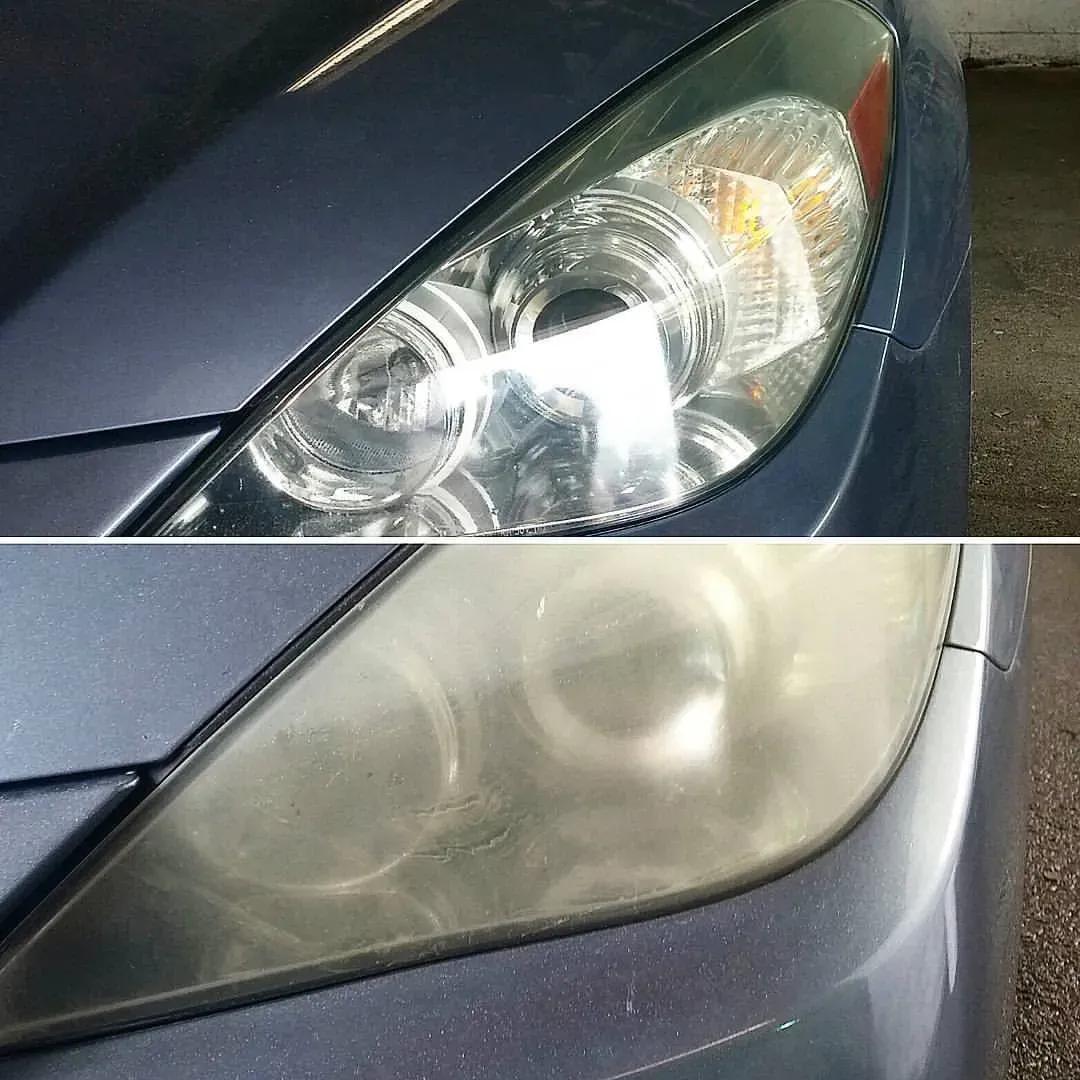
Headlight restoration removes surface oxidation that reduces clarity under normal aging conditions. Technicians repair worn lenses when visibility loss becomes noticeable during night driving. Drivers schedule service when headlights appear cloudy, scratched, or significantly yellowed.
How Surface Conditions Influence Headlight Restoration Timing
Surface degradation develops gradually, and headlight restoration becomes necessary once clarity reduces to the point where visibility starts declining. Ultraviolet exposure creates oxidation that slowly alters lens texture across many months of sunlight. Moisture buildup accelerates deterioration, and annual driving patterns influence how quickly changes become noticeable.
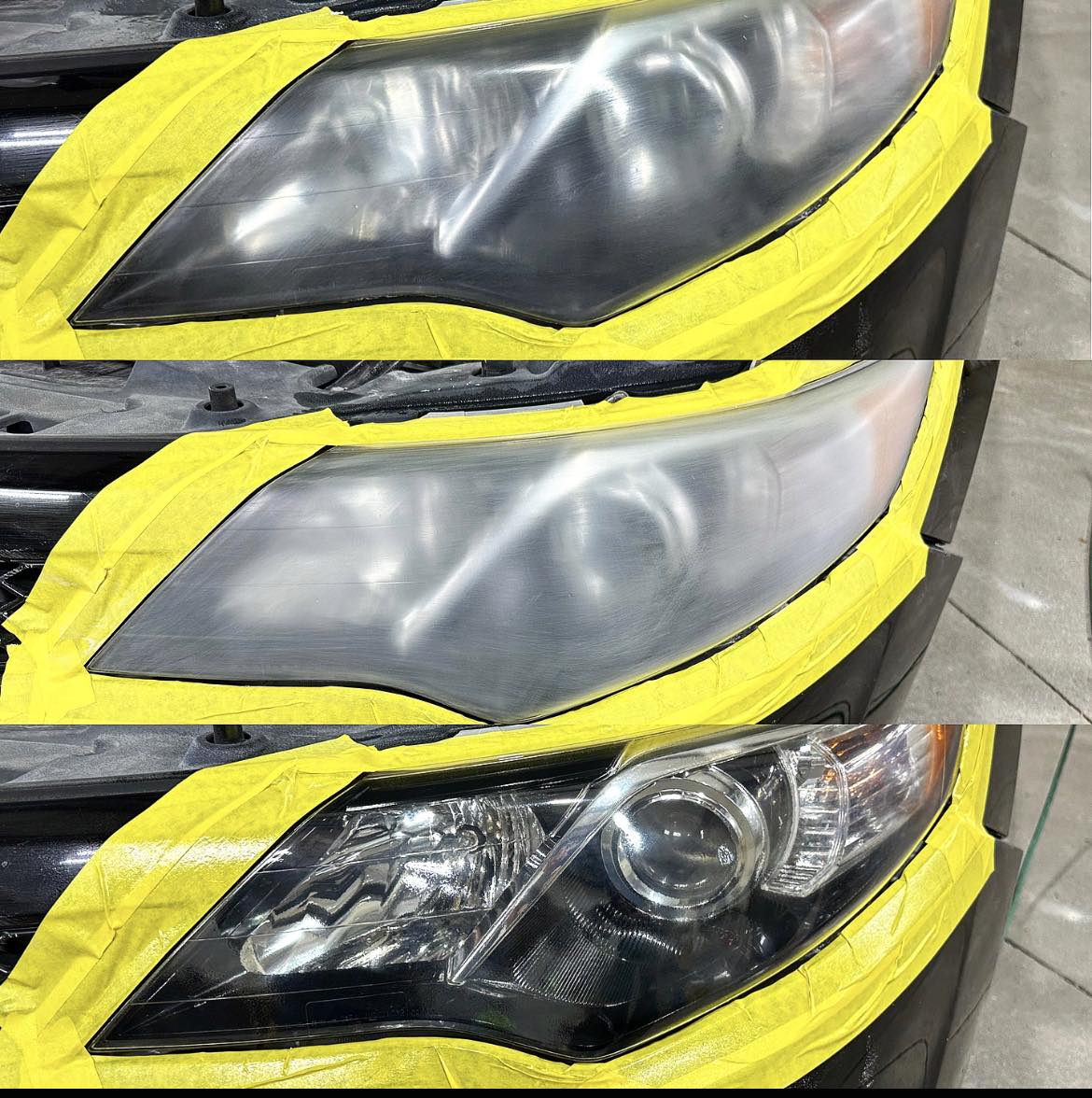
Drivers often schedule headlight restoration when nighttime illumination feels weaker than usual under familiar conditions. Many owners first detect issues when beams scatter irregularly across the road surface. Reduced sharpness also becomes clear when surrounding vehicles appear less visible at a distance.
Professional evaluations help determine whether headlight restoration should begin earlier than expected due to environmental changes. Certain climates produce faster oxidation because of elevated humidity, heavy rainfall, or intense heat cycles. Drivers benefit from consistent monitoring because headlight wear rarely develops evenly on both sides.
How Oxidation Patterns Affect Headlight Restoration Needs
Oxidation develops at different rates depending on exposure patterns, and headlight restoration helps correct uneven deterioration. Some areas degrade faster due to debris impact or angled sunlight during daily parking routines. Drivers rely on timely attention to maintain balanced performance across both headlights.
Sunlit parking locations accelerate oxidation, and headlight restoration helps reverse ultraviolet wear. Drivers gain improved clarity following corrective work.
Road debris strikes lenses during travel, and headlight restoration removes fine scratches caused through repeated contact. Visibility increases once surfaces regain smoothness.
Vehicle age influences oxidation speed, and headlight restoration becomes necessary when factory coatings weaken. Drivers notice improved performance after restoring surface uniformity.
Moisture trapped along lens edges creates discoloration, and headlight restoration helps remove early staining. Clean edges maintain stronger light projection over time.
Washing habits affect surface health, and headlight restoration corrects micro-abrasions caused through contaminated cloths. Renewed surfaces distribute light more consistently.
Drivers who manage oxidation early experience more predictable illumination across nighttime driving conditions. Annual monitoring helps identify changes before significant yellowing forms. Timely action helps maintain consistent performance without requiring full replacement.
How Driving Habits Influence Headlight Restoration Schedules
Driving patterns directly affect how quickly lenses deteriorate, and headlight restoration timing shifts accordingly. Highway travel increases debris impact, and rural roads introduce dust that slowly etches the surface. Urban drivers may experience slower oxidation due to frequent shade but faster staining caused through road contaminants.
Nighttime driving often reveals clarity issues earlier than daytime use, making headlight restoration an essential step for drivers noticing reduced sharpness. Visual distortion becomes more visible when headlights illuminate dark roads or wet pavement. Consistent attention helps determine whether upcoming seasons require earlier service.
Storage habits influence longevity because vehicles parked outdoors experience harsher exposure patterns. Covered storage significantly slows deterioration, though headlight restoration remains necessary once natural aging eventually appears. Drivers benefit from adjusting maintenance timing according to storage conditions.
How Environmental Factors Determine Headlight Restoration Frequency
Different climates create unique surface challenges, and headlight restoration helps correct damage caused through regional conditions. Desert regions produce accelerated oxidation due to intense sunlight and airborne dust. Coastal areas increase corrosion risk due to salt-laden moisture settling on exposed surfaces.
Humid locations maintain moisture longer, and headlight restoration removes resulting haze. Clean surfaces maintain improved brightness across the year.
Winter regions introduce road chemicals, and headlight restoration removes residue that bonds tightly with aged plastic. Drivers regain clear projection after treatment.
Mountain environments expose vehicles to ultraviolet intensity, and headlight restoration helps reverse strong weathering. Renewed surfaces provide better long-distance clarity.
Rain-heavy areas contribute to frequent wet conditions, and headlight restoration corrects fogging that forms inside or outside lenses. Drivers maintain consistent illumination during storms.
Dust-prone locations create abrasive buildup, and headlight restoration helps polish out accumulated micro-scratches. Smooth lenses restore predictable nighttime visibility.
Environmental changes create ongoing maintenance needs, and headlight restoration provides predictable correction regardless of driving region. Regular observation helps determine when clarity begins declining noticeably. Timely action supports safe and confident nighttime driving.
How Visual Indicators Signal The Need For Headlight Restoration
Drivers typically realize headlight clarity has declined once brightness begins fading across familiar routes. Headlight restoration should be considered when yellowing becomes visible without close inspection. Cloudiness also appears during daylight, making surfaces appear older and less defined.
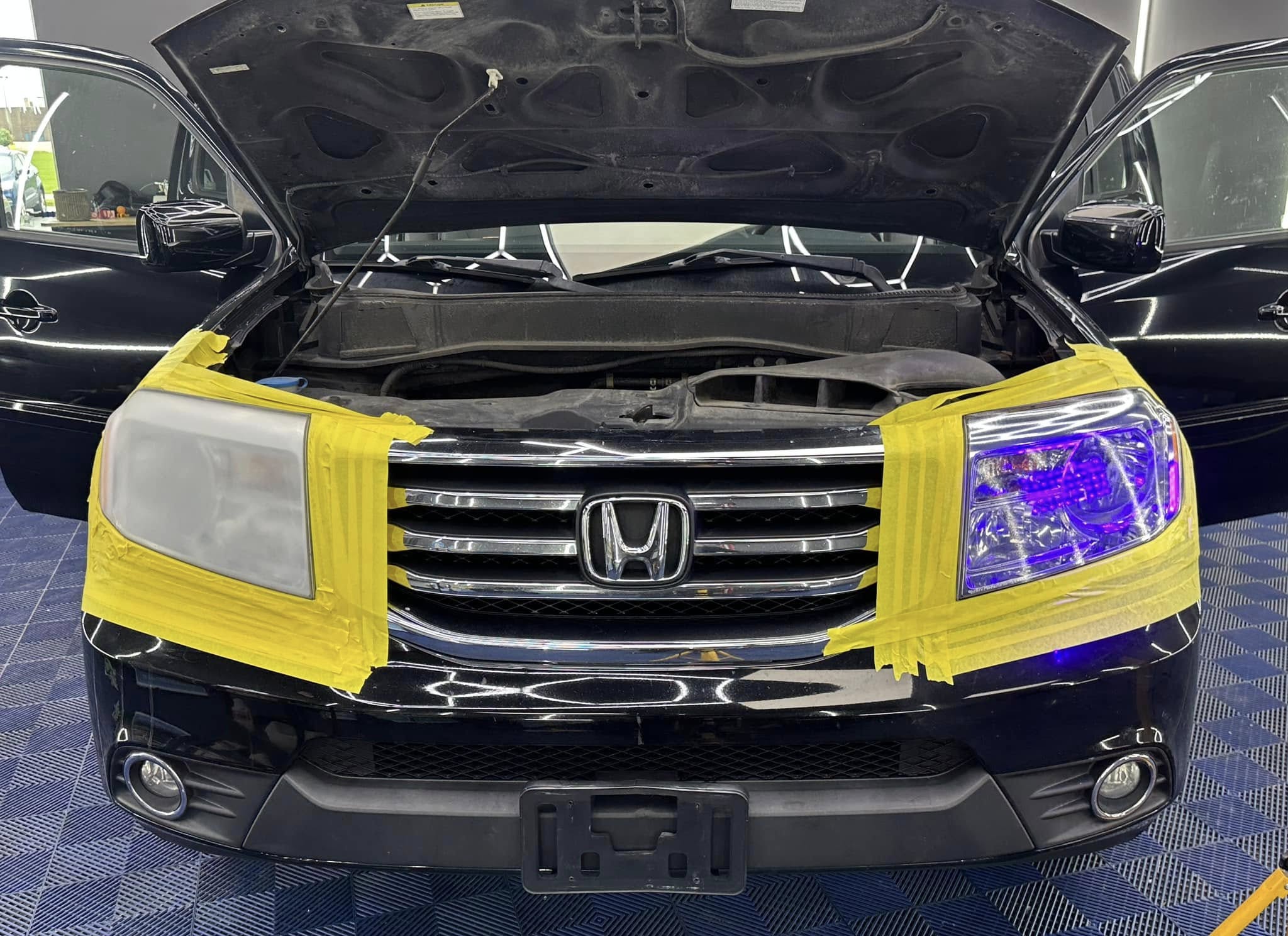
Nighttime glare patterns indicate an increasing need for headlight restoration because distortion often spreads unevenly across road surfaces. Poor lens quality creates scattered beams that reduce driver focus. Addressing surface issues improves beam direction and overall visibility.
Some drivers notice headlight restoration is needed when cleaning fails to remove haze or discoloration. Persistent dullness usually indicates deeper oxidation that requires professional correction. Corrective work helps restore clarity and maintain consistent surface performance.
How Headlight Restoration Supports Long-Term Vehicle Condition
Maintaining clear headlights helps preserve both appearance and long-term functionality. Headlight restoration keeps lenses from developing deeper damage that eventually requires full replacement. Drivers appreciate improved road visibility once clarity returns to acceptable levels.
Regular maintenance encourages steady performance throughout changing seasons. Headlight restoration helps ensure safety during late-night travel or low-light conditions. Balanced illumination maintains control during difficult driving environments.
Headlight surfaces age gradually, and headlight restoration provides a practical approach to delaying costly replacements. Drivers gain predictable maintenance scheduling rather than facing unexpected failures. Ongoing attention supports long-term vehicle satisfaction and safer nighttime travel.
Restore Safe Visibility Through Headlight Restoration
Drivers who want clear, predictable nighttime visibility often benefit from headlight restoration when surfaces show cloudiness, scratches, or yellowing. Timely maintenance removes oxidation and helps maintain bright, consistent illumination across varied driving environments. Corrective work also supports overall vehicle appearance while preventing deeper long-term deterioration.
Vehicle owners seeking dependable upgrades can rely on Ztech Audio+ for headlight restoration, audio enhancements, protective coatings, vehicle electronics, spray-on bedliners, and custom accessories. Experienced specialists provide structured guidance that supports long-term clarity, stronger performance, and durable vehicle protection. Contact the team today to schedule a professional headlight restoration service that helps maintain safe and reliable visibility.