
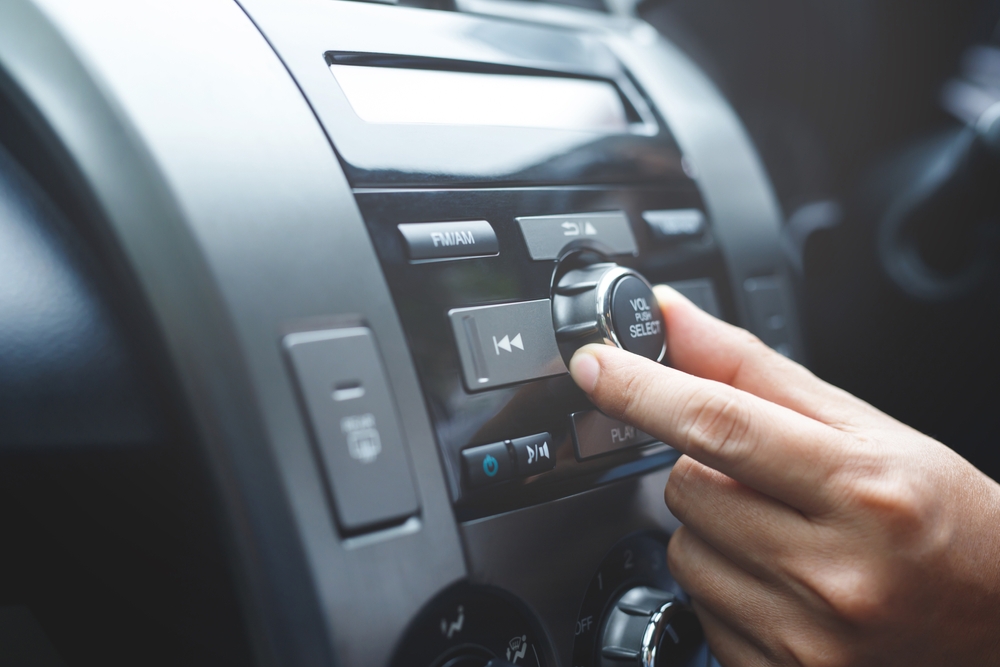
DSP in Car Audio: Why Digital Signal Processing Is a Game-Changer for Sound Quality
Digital Signal Processing, or DSP in car audio, has revolutionized how drivers experience music inside their vehicles. This technology allows precise manipulation of sound signals, ensuring every note is clear and every beat is impactful. For truck, Jeep, and SUV owners, DSP transforms standard audio systems into immersive, concert-like experiences.
Beyond clarity, DSP enables advanced equalization and tuning tailored to individual vehicles. It balances frequencies, reduces distortion, and enhances audio performance across all speakers and subwoofers. These improvements elevate daily commutes and long drives alike, making every journey more enjoyable and engaging.
Why Is DSP in Car Audio a Game-Changer?
DSP in car audio improves sound quality by digitally adjusting and optimizing audio signals before they reach your speakers. It enhances clarity, balances frequencies, and reduces distortion for every listening environment. Drivers immediately notice richer, more accurate sound compared to standard audio systems.
What Makes DSP in Car Audio So Effective?
DSP works by digitally adjusting audio signals before they reach speakers or amplifiers. It corrects timing issues, balances sound output, and compensates for cabin acoustics. Consequently, drivers hear music exactly as intended, with minimal interference from vehicle design limitations.
Unlike traditional systems, DSP allows fine-tuning of frequency bands for each speaker. This precision ensures that bass, midrange, and treble are all optimized. Additionally, DSP can adapt to different music genres or listening preferences, giving users complete control.
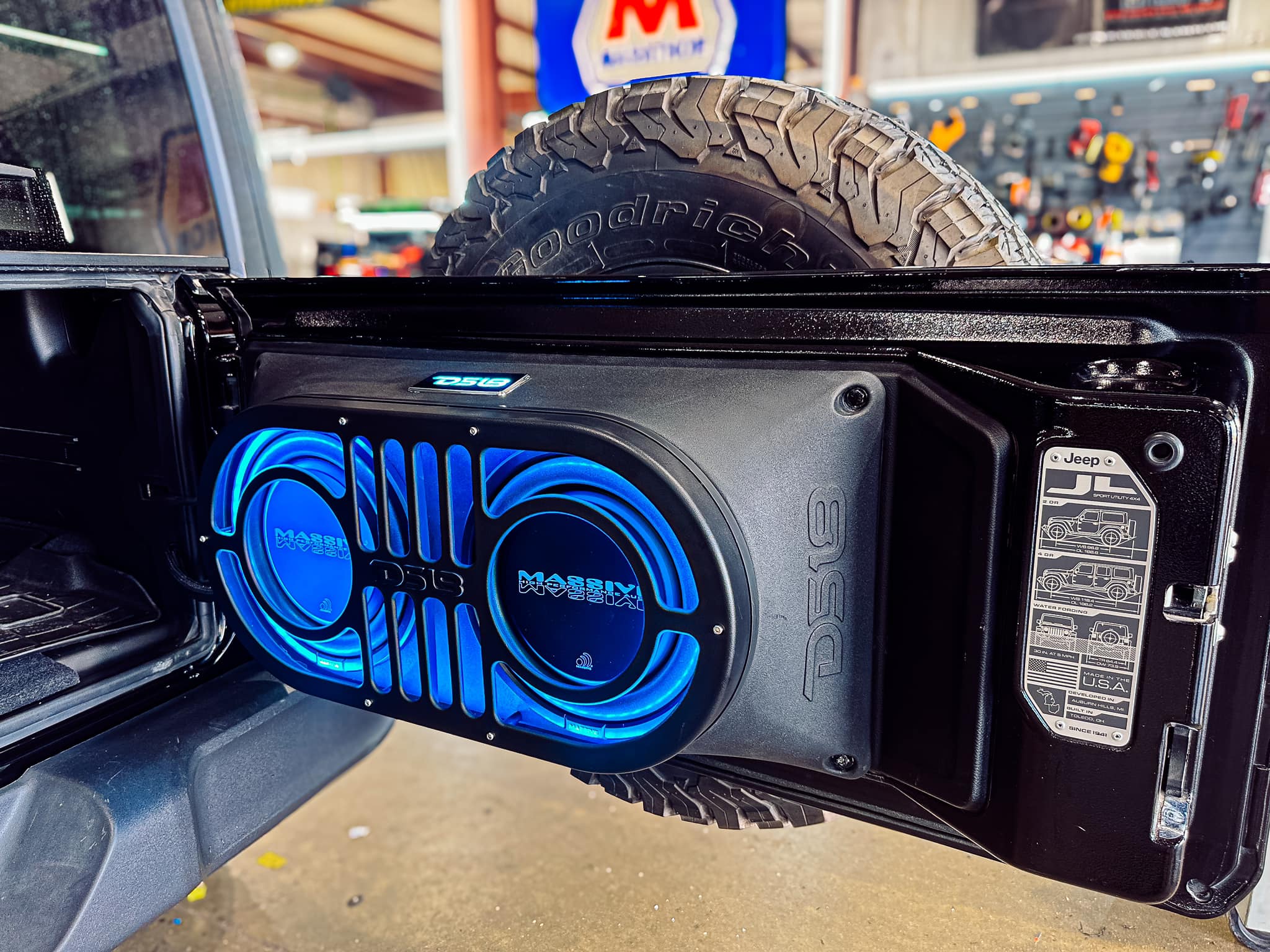
Signal delay adjustments are another benefit of DSP in car audio. By synchronizing sound from multiple speakers, it creates a coherent audio field. This feature is especially valuable in larger vehicles where distance between speakers affects timing.
Integration with modern car technology is seamless. DSP can enhance factory-installed radios and aftermarket components like high-performance subwoofers and amplifiers, elevating overall system performance (learn more about remote audio setups). Drivers gain professional-level sound without sacrificing compatibility or convenience.
How Does DSP Improve Sound Quality?
DSP in car audio significantly elevates listening experiences by enhancing clarity, balance, and overall sound quality. Drivers notice improved precision in every frequency range, making music feel more immersive. Its technology ensures that all audio components work harmoniously for a consistent performance.
Here are the main ways DSP improves your vehicle’s sound system:
Enhances sound clarity by minimizing distortion and unwanted noise, preserving subtle musical details.
Tunes bass for depth and power while avoiding muddiness, creating a full, dynamic sound.
Calibrates treble and midrange for natural vocals and instrument reproduction.
Provides consistency across driving conditions, keeping sound balanced on highways and city streets.
Overall, DSP allows vehicles to deliver a professional-quality audio experience without altering existing components. It adapts to different music genres and listening preferences seamlessly. With these improvements, drivers enjoy richer, more accurate, and highly enjoyable sound on every drive.
Which Components Work Best With DSP in Car Audio?
DSP enhances both aftermarket and factory speakers. Coaxial and component speakers each respond differently to tuning, but both see marked improvement. Component systems especially benefit from separate adjustments for tweeters and woofers.
Subwoofers achieve deeper, more controlled bass under DSP management. DSP prevents distortion at high volumes, preserving sound quality. Drivers can enjoy punchy low frequencies without compromising overall balance.
Amplifiers also work in harmony with DSP in car audio. They boost the corrected audio signal, providing clean power to each speaker. This ensures high output levels without introducing noise or clipping.
DSP is compatible with modern infotainment systems, including upgraded head units and car radio replacements, enhancing sound precision across all components (related car radio systems). Users retain full system functionality while enjoying superior audio performance.
How Can You Tune DSP for Different Vehicles?
Every vehicle interior is unique, affecting how sound travels. DSP allows customization that accounts for cabin size, speaker placement, and material acoustics. Proper tuning ensures consistent performance across every seat.
Many DSP units offer presets for common vehicle types. These settings provide a strong starting point for further fine-tuning. Adjustments can then be made for personal listening preferences and specific music genres.
Professional calibration is recommended for optimal results. Technicians use measurement tools to align frequency response and timing precisely. This guarantees that drivers experience the best possible audio quality.
Regular maintenance and re-tuning keep DSP in car audio systems performing well. Cabin changes, speaker upgrades, or new subwoofers may require adjustments. Staying proactive preserves audio clarity and overall system performance.
What Are the Differences Between DSP-Enabled and Standard Systems?
Standard DSP in car audio systems offer limited control over sound output. Frequencies are generally pre-set, and adjustments are coarse. As a result, audio may sound flat or unbalanced, especially in larger vehicles.
DSP-enabled systems provide precise control over all aspects of sound. Users can adjust frequency bands, timing, and output levels for each speaker. This results in a fuller, more natural audio experience tailored to the vehicle.
Noise reduction and signal correction are unique to DSP. Unwanted echoes, distortions, and interference are minimized. Music playback is cleaner and more faithful to the original recording.
In addition, DSP systems allow continuous improvement. Software updates or recalibration enable drivers to optimize performance over time. This flexibility is not available with traditional audio setups.

Choosing the Right DSP Setup for Your Vehicle
Selecting a DSP system requires consideration of speakers, amplifiers, and existing audio components. Compatibility ensures maximum benefit without unnecessary modifications. Drivers should evaluate their current setup before investing in upgrades.
Understanding your listening preferences is essential. DSP can be tuned for clarity, bass impact, or overall balance depending on music genres. Proper alignment with personal taste guarantees a satisfying experience.
Professional installation offers added advantages. Technicians handle wiring, configuration, and fine-tuning, saving time and avoiding potential errors. Precision installation ensures the system performs at peak potential.
Investing in a quality DSP in car audio system also enhances vehicle value. Audio improvements can appeal to future buyers or enthusiasts. Well-tuned systems demonstrate attention to detail and a premium driving experience.
Elevating Your Vehicle Audio With Expert DSP Tuning
Digital Signal Processing fundamentally transforms in-car audio quality. It brings unmatched clarity, balance, and depth to every drive. Drivers can enjoy music exactly as artists intended, enhancing both daily commutes and long road trips.
With professional DSP installations, even larger trucks and SUVs achieve a concert-like sound environment. Expert technicians ensure each speaker, amplifier, and subwoofer works in harmony for optimal output. Contact Ztech for DSP in car audio installations and experience exceptional, tailored sound quality today.