How Cold Weather Damage Vehicles And How To Prevent It
Cold temperatures affect more than your comfort during winter driving. Cold weather damage can impact engine performance, battery strength, tire pressure, and exterior finishes over time. Freezing conditions create stress across multiple vehicle systems long before obvious problems appear.
Drivers in Terre Haute face repeated freeze-thaw cycles, road salt exposure, and extended cold starts each season. Cold weather damage often develops gradually, which makes prevention more important than repair. Understanding how winter conditions affect your vehicle helps you take practical steps before minor issues become expensive ones.
How Does Cold Weather Damage Vehicles?
Cold weather damage occurs when freezing temperatures affect fluids, batteries, tires, and exposed metal components. Low temperatures thicken engine oil, reduce battery efficiency, and lower tire pressure, which increases strain during daily driving. Ongoing exposure to moisture, road salt, and repeated freeze-thaw cycles accelerates corrosion and surface wear over time.
How Cold Weather Affects Your Engine and Fluids
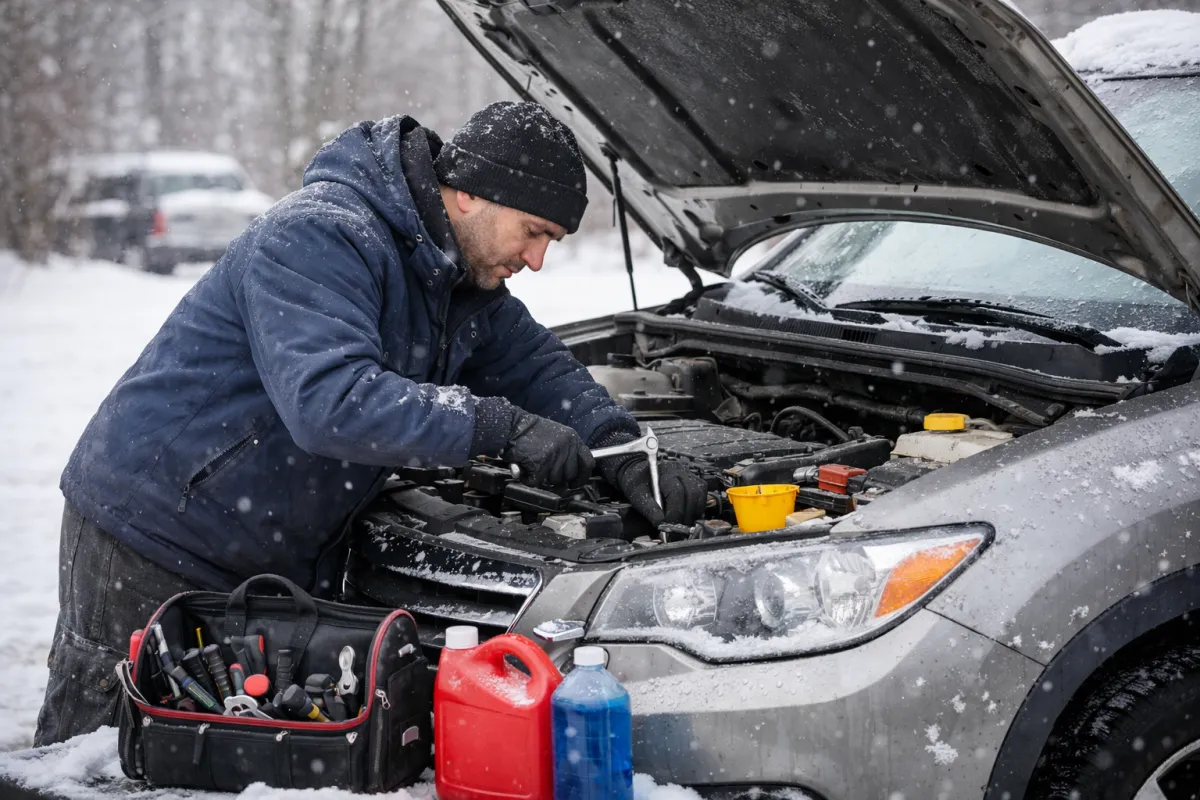
Freezing temperatures change how your engine behaves before you even turn the key. Cold weather damage often begins with thickened fluids that move slower through critical components. Engine oil, transmission fluid, and coolant all respond differently when temperatures drop overnight.
Thicker oil takes longer to circulate, which increases strain during the first moments of ignition. Cold weather damage can also affect fuel efficiency while systems adjust to lower operating temperatures. Repeated cold starts without preparation gradually increase wear on internal components.
Drivers in Terre Haute experience extended cold spells that amplify these mechanical stresses. Short trips during winter can prevent fluids from reaching optimal operating temperature. Consistent exposure to freezing conditions makes preventive maintenance more important than most drivers realize.
The Impact of Winter on Batteries, Tires, and Electrical Systems
Winter conditions do not only affect your engine and fluids. Cold weather damage also impacts supporting systems that keep your vehicle reliable every day.
Performance issues often appear suddenly once temperatures drop below freezing. Understanding how key components respond helps you prevent avoidable breakdowns.
Cold weather damage extends into the systems you rely on most during daily driving.
Batteries
Cold temperatures reduce battery efficiency and limit available cranking power. Chemical reactions inside the battery slow down, which makes starting more difficult.
Older batteries struggle even more during extended cold spells. Cold weather damage often shows up first as slow ignition or dim interior lighting.
Tires
Air contracts in freezing temperatures, which lowers tire pressure overnight. Underinflated tires reduce traction and can affect braking stability on slick roads.
Cold rubber also becomes less flexible, especially during the first few miles of driving. Cold weather damage increases uneven wear when tire pressure is not monitored regularly.
Electrical Systems
Modern vehicles rely on complex electronics that must function reliably in extreme conditions. Cold weather damage can affect sensors, displays, and remote start performance when voltage fluctuates.
Moisture combined with freezing temperatures may also impact exposed wiring connections. Electrical systems operate best when batteries and charging components remain in strong condition.
Why Road Salt and Moisture Accelerate Exterior Damage
Winter roads expose drivers to constant salt, slush, and standing moisture. Cold weather damage often shows up first on exterior surfaces where protection is limited.
Road salt lowers the freezing point of water, which helps keep highways passable. That same chemical reaction also accelerates corrosion when it clings to metal surfaces.
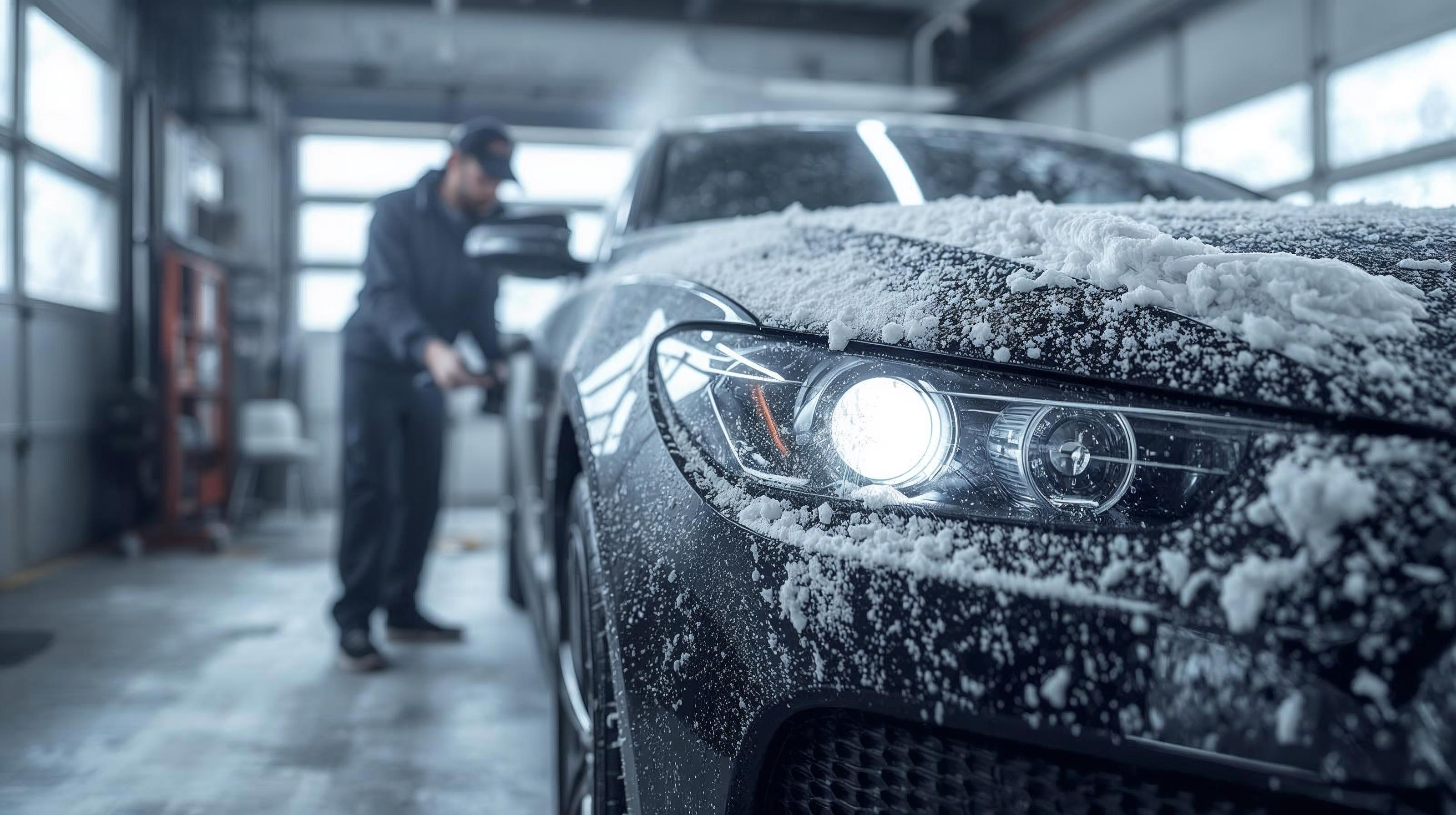
Moisture seeps into seams, wheel wells, and undercarriage components during daily driving. Cold weather damage worsens when freeze-thaw cycles repeatedly trap and expand water in small gaps.
Drivers in Terre Haute see heavy salt use throughout the winter season. Preventive treatments like undercoating and ceramic coatings help limit long-term surface deterioration.
Practical Ways to Prevent Cold-Weather Damage
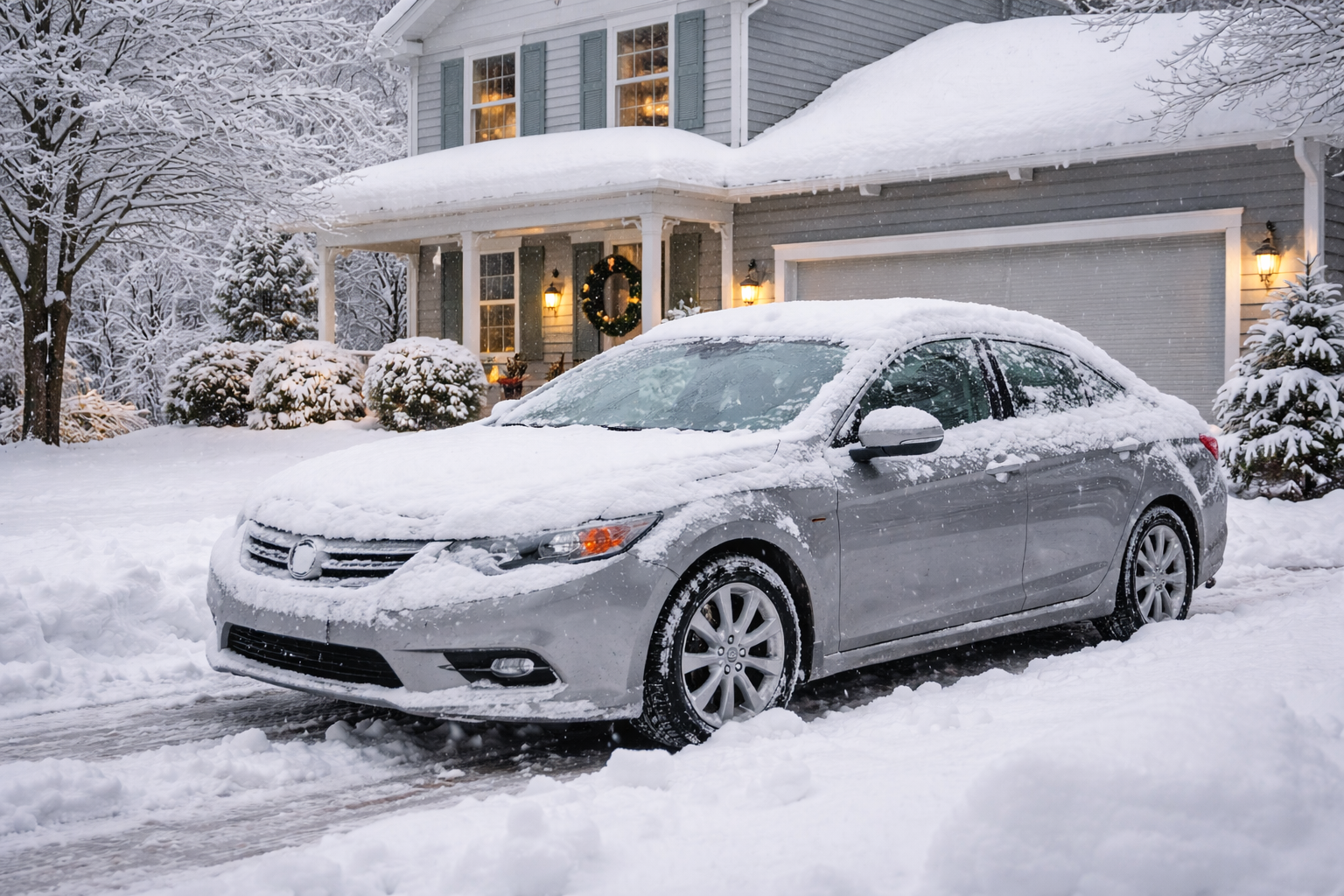
Cold weather damage builds gradually when vehicles face repeated exposure to freezing temperatures and road salt. Preventive steps help protect both mechanical systems and exterior surfaces throughout winter.
Preparation works best when you address weak points before extreme conditions arrive. Smart upgrades and protective treatments reduce long-term wear during harsh Midwest seasons.
Apply Professional Undercoating - Undercoating creates a protective barrier on your vehicle’s undercarriage to reduce corrosion from salt and moisture. Cold weather damage often starts underneath where exposure is constant and less visible.
Install Ceramic Coatings For Exterior Protection - Ceramic coatings add a durable layer that helps shield paint from salt residue and winter grime. Cold-weather damage to exterior finishes becomes less aggressive when surfaces are easier to clean and maintain.
Use Spray-On Bedliners For Truck Protection - Spray-on bedliners protect truck beds from moisture buildup, salt exposure, and freeze-thaw expansion. Cold weather damage can accelerate rust in unprotected cargo areas during winter hauling.
Maintain Battery Health And Electrical Systems - Regular battery testing helps prevent unexpected failures during extended cold spells. Cold weather damage often reveals weak charging systems once temperatures drop below freezing.
Consider Remote Starters For Controlled Warm-Ups - Remote starters allow your engine and cabin systems to begin adjusting before you drive. Cold-weather damage risk decreases when you avoid aggressive acceleration during freezing startups.
Protect Your Vehicle Before Winter Takes Its Toll
Cold weather damage rarely happens all at once, but steady exposure adds up quickly. Engines, batteries, tires, and exterior surfaces all face added stress during freezing Midwest conditions. Preventive action gives you more control and fewer surprises when temperatures drop.
Drivers in Terre Haute benefit most when preparation starts before the harshest weather arrives. If you want professional undercoating, ceramic coatings, spray-on bedliners, or remote starters installed correctly, Ztech Audio+ can help you protect your investment. Contact Ztech Audio+ today and take practical steps to reduce cold weather damage before winter pushes your vehicle too far.