
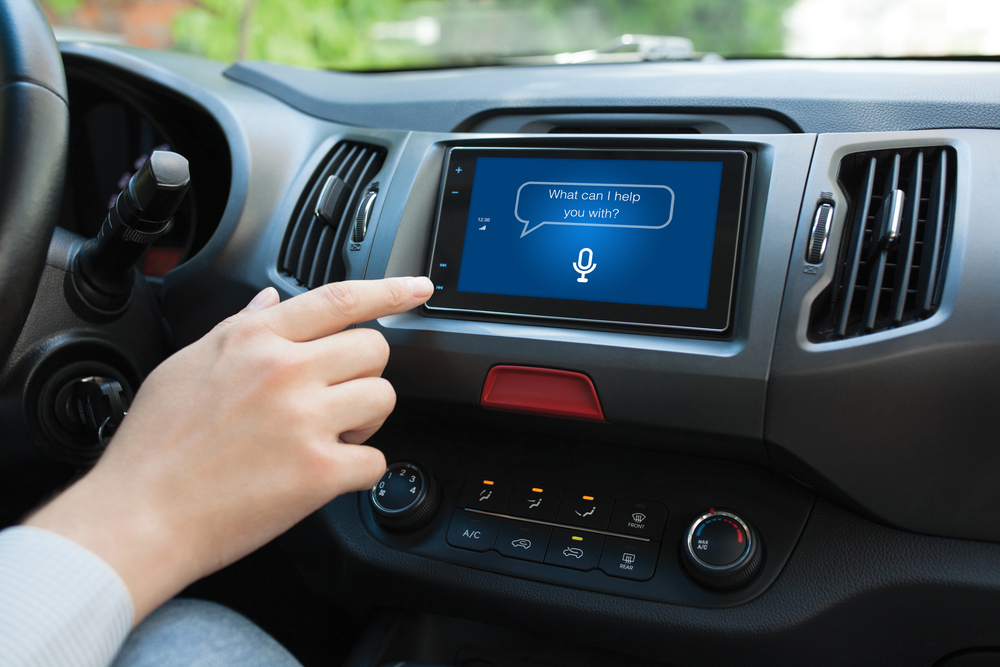
Can Voice Assistants Replace Your Car Audio Controls?
Many drivers are wondering if a car voice assistant can truly handle every audio command inside the cabin. The growing interest comes from wanting safer interactions that reduce the need to touch buttons or screens while driving. The shift toward hands free technology encourages drivers to consider whether full audio control through voice is realistic.
Although voice assistants continue improving rapidly, many still prefer the feel of traditional knobs and buttons. The debate usually centers on convenience, accuracy, and how well voice systems integrate with existing car audio setups. The conversation becomes even more relevant as more advanced infotainment features enter modern vehicles.
Can Voice Assistants Fully Replace Your Audio Controls?
Several vehicle owners ask whether a car voice assistant can take over daily audio adjustments reliably. Many systems can handle common requests with impressive accuracy, although certain tasks still work better manually. Some drivers ultimately prefer using both methods depending on the situation.
How Do Car Voice Assistants Connect With Audio Systems?
Car voice assistants interact with audio systems through built in microphones and integrated software platforms. Many vehicles pair voice functions with infotainment features that manage radio tuning, streaming services, or playlist commands. Several models also rely on smartphone connections that route assistant responses directly through the speakers.
Although newer infotainment systems allow deeper integration, older vehicles sometimes need compatible aftermarket modules. Many modern setups already support voice activation for essential audio tasks and continue improving each year. However, compatibility varies significantly between models and manufacturers which affects overall performance.

Even though voice assistants manage many functions well, drivers still appreciate manual controls for quick adjustments. Many assistants interpret clear commands successfully which helps reduce distraction during busy road conditions. However, background noise inside trucks or off road vehicles sometimes impacts voice accuracy which limits consistency.
Although infotainment systems keep evolving, each platform behaves differently which creates unique user experiences. Many vehicle owners notice that assistant responsiveness changes depending on the device or ecosystem used. Additionally, some assistants only support certain streaming apps which affects how drivers enjoy music on the road.
What Advantages Come From Shifting to Voice Based Audio Control?
Using a car voice assistant offers greater convenience during everyday driving routines. Drivers can raise volume, skip tracks, or switch stations without reaching for controls. Voice commands also allow faster adjustments during traffic, helping maintain focus on the road.
Several key advantages emerge when adopting voice based audio control:
Enhanced Safety – Reduces the need to take hands off the wheel or eyes off the road while making adjustments.
Convenience – Allows drivers to manage audio settings quickly and easily without physical interaction.
Improved Road Awareness – Supports focus on driving conditions, decreasing distractions from manual controls.
Better Performance in Noisy Environments – Upgraded microphones and properly positioned components improve accuracy despite engine or road noise.
Greater Trust and Reliability – Continuous software and hardware improvements make the car voice assistant increasingly dependable for routine tasks.
Manual controls still provide precision when navigating rough roads or dealing with sudden cabin noise. Voice control continues improving, gradually earning drivers’ trust for routine tasks. These advantages combine to make driving safer, more comfortable, and more efficient overall.
What Limitations Should Drivers Consider Before Switching Fully to Voice?
Some assistants struggle with specific phrasing or regional accents, which affects recognition reliability. Many drivers must repeat commands during heavy traffic or in vehicles with larger cabins. Certain systems also misinterpret similar sounding commands, which becomes frustrating over time.
Key limitations to consider include:
Recognition challenges – Difficulty understanding regional accents or uncommon phrasing.
Complex audio functions – Detailed equalizer settings and advanced audio tuning are often not fully supported.
System responsiveness – Delays in processing commands can disrupt the audio experience.
Environmental interference – Cabin noise, engine sounds, and road conditions may reduce accuracy.
Limitations exist, but many drivers still find a car voice assistant valuable when used appropriately. Many prefer a hybrid approach where voice handles routine tasks while manual controls manage precision. Future software updates and hardware improvements will continue reducing errors and expanding available commands for seamless usage.
How Compatible Are Voice Assistants With Existing Infotainment Systems?
Compatibility depends on vehicle age, infotainment software, and chosen assistant platform. Many recent vehicles support seamless integration through built in systems or connected smartphones. However, older vehicles often need aftermarket installations to access voice control features.
Although smartphone based assistants offer strong compatibility, factory systems sometimes provide smoother performance. Many built in platforms communicate directly with audio components which reduces latency and improves recognition. However, certain vehicles limit third party integration which restricts specific features.
Even though integration varies, many infotainment systems now support expanded car voice assistant features over time. Many manufacturers release software updates that improve connectivity, stability, and feature availability. Some upgrades even enhance control over streaming services, radio presets, and hands free calling.
Although choosing the right system matters, drivers should also consider long term upgrade options. Many aftermarket solutions offer broader compatibility than factory systems, support more advanced features, and enhance remote audio capabilities. Selecting upgrades that improve remote audio ensures clearer sound and easier control throughout the vehicle.
When Does Voice Control Improve Safety and Everyday Usability?
Using a car voice assistant becomes especially helpful during highway driving where focus must remain forward. Many drivers prefer issuing audio commands verbally rather than reaching for screens at high speeds. Additionally, voice commands improve comfort during long trips where constant adjustments become tiring.
Although voice control improves safety, performance depends on microphone quality and system calibration. Many aftermarket solutions include improved placement and noise reduction which strengthens command accuracy. However, poorly installed systems struggle in louder vehicles like lifted trucks or modified SUVs.
Even though usability increases, each driver experiences voice control differently. Many younger drivers adapt quickly to verbal commands while others prefer tactile controls. However, blended usage usually delivers the best balance of comfort and reliability over time.
Technology continues evolving, and safety remains the strongest argument for adopting voice control. Many modern vehicles emphasize hands free interaction to reduce distraction related incidents and align with the future of vehicle electronics. Staying informed on these trends helps drivers make smarter technology choices for their vehicles.

How to Choose the Right Car Voice Assistant Setup
Choosing the best system depends on driving habits, audio preferences, and vehicle compatibility. Many drivers select a car voice assistant that pairs well with their current smartphones for seamless syncing. Others choose built in systems for tighter integration and reliable performance.
Features vary, but clarity and responsiveness should influence the final decision when selecting a car voice assistant. Many high quality systems include upgraded microphones, better processing, and improved noise handling. However, budget options still perform well for basic audio control and daily driving.
Initial setup matters, but installation quality has the greatest impact on long term performance. Many issues arise from poor wiring, misaligned microphones, or outdated software. Investing in proper configuration ensures optimal accuracy and dependable audio control.
Many options exist, yet drivers should consider how often they rely on hands free features. Many benefit from hybrid systems that balance voice control with accessible manual buttons. Proper research ensures the chosen setup enhances comfort, safety, and overall driving enjoyment.
Final Thoughts on Modern Voice Control and Audio Integration
Car voice assistants continue shaping how drivers interact with audio systems in trucks, Jeeps, and SUVs. Many features now support safer and more intuitive driving without replacing traditional controls entirely. Several drivers benefit from a blended approach that allows flexibility in different environments.
Although voice control improves convenience, installation quality determines performance and long term satisfaction. Many drivers appreciate guidance that helps them decide which system fits their needs best. Get in touch with Ztech for professional integration, expert recommendations, and a complete upgrade experience that enhances your vehicle’s technology.